Confidential therapy for the clinicians in an anesthesia group, above the EAP.
Anesthesiologists and CRNAs hold a patient's life in the balance minute to minute, swing from hours of vigilance to sudden crisis, and work in a specialty with unusual substance-use risk, and most will not take any of it to a standard employee assistance program. CEREVITY gives an anesthesia group a confidential, private-pay clinical benefit for its clinicians, matched by hand and delivered so that nothing routes through the group health plan.
What CEREVITY is.
A nationwide network of independent licensed clinicians, offered as a confidential benefit for a group's anesthesia clinicians.
CEREVITY is a nationwide network of independent licensed clinicians providing private-pay therapy by secure telehealth across all 50 states. It is not an app, not a coaching marketplace, and not an employee assistance program. Each clinician is matched by hand to a therapist who understands high-responsibility, high-vigilance work, and keeps that therapist over time.
For the group, the model is simple to reason about. Care is private-pay with no insurance claim filed, so nothing routes through the group health plan and no claim record is created. The benefit sits above any existing EAP rather than replacing it, aimed at the anesthesiologists and CRNAs whose steadiness and retention most directly shape the group.
CEREVITY runs the same structure for other clinical settings, from hospital systems and medical staff offices to specialty practices such as aesthetic and cosmetic panels. The anesthesia version is built for the clinicians a group cannot cover a schedule without.Why anesthesia clinicians are different.
The pressure in anesthesia is not the same pressure, and the standard benefit was not built for it.
An anesthesia clinician spends long stretches in sustained vigilance punctuated by moments where a wrong call is catastrophic, then does it again the next case. Independent reporting finds that physicians burn out at markedly higher rates than other workers, and the vigilance load in anesthesia is a specific and heavy version of that.
The strain often does not look like strain. In this specialty it hides behind competence and routine, which is why our clinicians pay close attention to the hidden burnout signs in anesthesiologists rather than waiting for an obvious crisis.
anesthesiologists report at least one element of burnout, with an increased likelihood of depression. Source: American Society of Anesthesiologists, Statement on Burnout, citing Hyman et al., Anesthesia & Analgesia, 2017.
Anesthesia clinicians live in the operating room, and the care they get should come from someone who understands that world. Our clinicians experienced in surgical and operating-room mental health speak that language.
A generic EAP, designed for high-volume short-term employee support, is structurally mismatched to this population. Anesthesia clinicians rarely use it, both because the format does not fit the problem and because they will not route something this sensitive through a channel the group administers. Our note on confidential support for busy clinicians sets out what actually reaches them. The need goes unmet quietly, which is the most expensive way for it to go unmet.
What anesthesia clinicians actually bring to the work.
The presenting issues behind the composure, in the language of the OR.
High-stakes vigilance
Holding another person's physiology steady for hours, knowing the margin for error is thin, is its own kind of load. Working with it is the focus of therapy for anesthesiologists with high-stakes anxiety.
Burnout that hides
In this specialty, burnout rarely announces itself; it shows up as small changes long before anything breaks. Catching it early is the point of learning the hidden burnout signs in anesthesiologists.
Access and risk
Anesthesia carries a documented, specialty-specific substance-use risk, and the stigma around it keeps clinicians silent. Naming it safely is the subject of our note on why anesthesiologists hide substance concerns.
Last to ask for help
The training that produces a reliable clinician also produces one who will not admit to struggling. That reluctance is measurable, and it is part of why physicians are the worst at asking for help.
The adverse event
An intraoperative emergency or a bad outcome leaves a mark that the next case ignores. The pattern has a name, described in second victim syndrome in healthcare.
Early starts, broken sleep
Pre-dawn cases and call shifts wear down the recovery judgment depends on. This is the territory of circadian disruption in physicians who work against the clock.
Fine on the surface
Many clinicians keep performing while quietly unwell, which is exactly what makes it dangerous in a specialty this unforgiving. This is the territory of high-functioning depression in physicians.
It follows them home
The hours and the mental load do not stop at the OR door. Marriages and families carry the overflow, which is why we offer couples therapy for physician marriages.
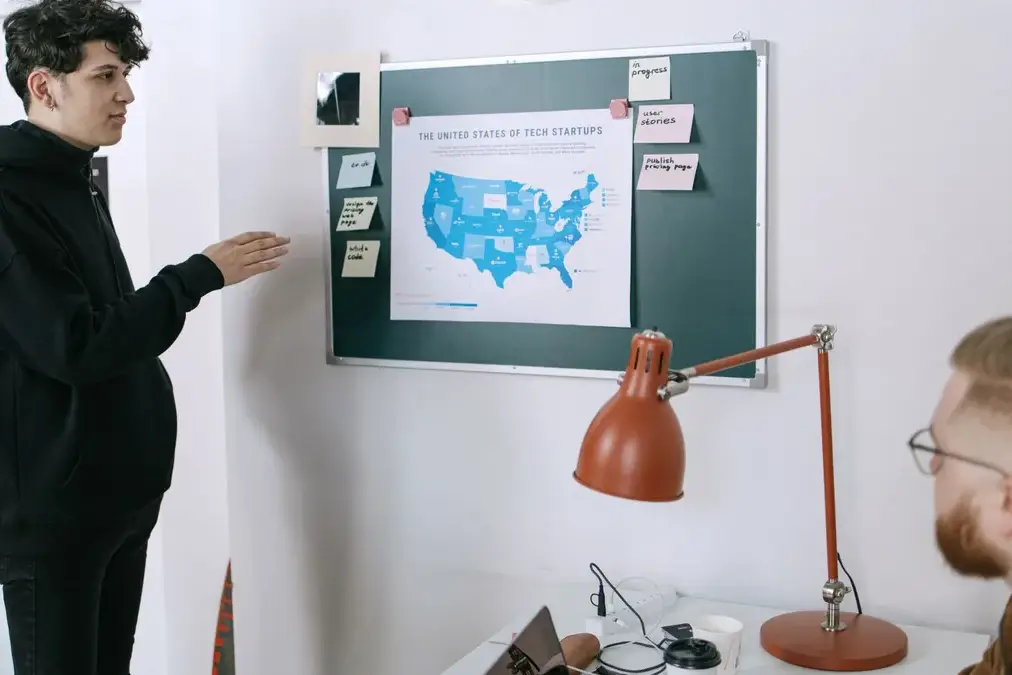
The group measures the anesthesiologist by cases covered. Nothing on the board measures the vigilance each one costs.
Session formats built for clinical calendars.
Three lengths, no rigid weekly slot.
The steady cadence of ongoing therapy. Most clients spend most of their care in 50-minute sessions.
For work that needs more room than a standard hour can hold. See 90-minute sessions.
For work that needs uninterrupted time to reach resolution. See 3-hour therapy intensives.
Care is delivered in 50-minute, 90-minute, and 3-hour sessions by secure telehealth, nationwide, with clinicians who understand the toll of early starts and call, including chronic insomnia in high-acuity physicians. A clinician can do focused work in a single 90-minute or 3-hour block on a lighter day rather than forcing a standing weekly appointment that a call schedule will break. Modality is matched at intake rather than assigned, and the clinician keeps the same therapist throughout. When the situation is urgent, same-week access is the norm rather than the exception.
Keep the clinicians the schedule depends on.
A confidential conversation about a clinician-tier benefit takes one call. Nothing about it touches the group health plan.
Start a partnership conversationHow an anesthesiologist is matched.
Every clinician is matched by hand, not by an algorithm running against an intake form. Matching is reviewed by CEREVITY's clinical leadership, with the clinician's role, schedule, and preferences weighed before any introduction is made.
The eligible individual submits a confidential intake form covering presenting issues, modality preference, professional context, and scheduling parameters. Operated by CEREVITY directly, not by a broker.
Intake is reviewed by CEREVITY's clinical leadership against the network's active capacity, current licensure footprint, and modality availability. This is the step that does not exist in an EAP. You can review the clinicians in the network directly.
A specific clinician is matched to the anesthesiologist, who receives the match with the clinician's profile, modality, and credentials, plus a direct online scheduling link. If you are doing this for someone else, see how to find a therapist for your CEO.
Scheduling runs directly through CEREVITY infrastructure with no phone handoff. First sessions are typically scheduled within 5 to 10 business days of the match.
Care continues on the cadence the clinical work requires, in 50-minute, 90-minute, or 3-hour sessions, without an employer-imposed session cap.
Capability comparison for anesthesia groups.
An evaluation framework on the dimensions that matter when scoping a clinician-tier benefit. All three models have a place; they are built for different populations.
| Dimension | Typical EAP | Executive-tier platform | CEREVITY |
|---|---|---|---|
| Network model | Broker layer between employer and contractor roster | Single-vendor platform, W-2 or contracted pool | Independent clinical network with direct relationships |
| Clinician assignment | First contractor to reply with availability | Algorithmic matching on intake-form inputs | Clinical review by network leadership |
| Intake and scheduling | Phone handoff to the clinician's line | App-based intake and scheduling | Network-operated intake, direct online scheduling |
| Session formats | Standard 50-minute, capped session counts | Standard 45 to 50-minute sessions | 50-minute, 90-minute, and 3-hour formats, no cap |
| Clinical scope | Acute, broadly applicable concerns | Workforce-wide, executive tier as an upsell | Built around the presenting issues of anesthesiologists and CRNAs |
| Modality fit | Generalist talk therapy | Generalist therapy with some specialty | CBT, DBT, psychodynamic, IFS, matched at intake |
| Reach | National via roster density | National telehealth, roster variance | All 50 states via telehealth |
| Payment model | Employer-sponsored, in network | Per-employee-per-month seat pricing | Private pay, out of network, partnership agreement |
| Group visibility | Aggregate, broker-mediated | Vendor dashboards with engagement metrics | Administrative reporting only |
| Right fit for | Workforce-wide acute support | Mid-tier ongoing care with an executive add-on | anesthesia groups, end to end |
If you are running a formal evaluation, our notes on what to look for in a private therapy provider cover the procurement side in detail.
What the group sees, and what it does not.
For a clinician-tier channel to work, the clinician has to trust that using it creates no visibility into their care, and no exposure to licensing or credentialing. CEREVITY is built around that requirement.
- Confirmation that contracted services were provided to eligible individuals.
- Aggregate utilization at the partnership level, where contractually appropriate.
- Invoicing and eligibility reconciliation.
- Nothing tied to a specific named anesthesiologist's clinical content.
- Whether a specific named anesthesiologist has scheduled, attended, or engaged.
- What clinical issues are being addressed, or which clinician is assigned.
- Session notes, treatment plans, or diagnostic information.
- Any attendance detail at the individual level.
Clinicians are independent licensed professionals operating under their own licensure and the confidentiality and privacy obligations that attach to it. Protected health information is held within the clinical infrastructure, and the agreements governing it are defined in writing before the partnership goes live. Our notice of privacy practices and privacy policy are published in full.
Clinical records, session content, and individual engagement data sit inside the clinical platform. The administrative layer the partner interacts with is structurally separate from the clinical layer. Further context on why this matters to this population: private-pay therapy and confidentiality.
Eligibility lists are maintained on the partner side and confirmed at the point of intake. Administering eligibility does not require the partner to receive clinical information back.
A Business Associate Agreement is executed where the partnership structure requires it, and whether one applies is a determination made with counsel rather than assumed. The partnership agreement defines the administrative reporting scope in writing before anything goes live. See also our terms of service.
Clinicians in particular ask about downstream exposure before they will engage at all. The question that comes up most is whether therapy shows up on a background check, and it is answered directly on our site.
What the first 30 days look like.
The hardest part of a clinician-tier partnership is not the contract. It is the period between signature and the first anesthesiologist in care.
A 60-minute kickoff with your team and CEREVITY's partnership lead. We confirm the partnership shape, the eligibility model, the administrative reporting scope, and the internal owner. The BAA, where applicable, is executed.
Your team provides the eligible-individual list. CEREVITY confirms it against the network and establishes the verification path at intake. Only eligibility confirmation flows forward.
CEREVITY provides a confidential, clinician-tier comms template explaining the benefit, the privacy posture, and how to access intake. It is written to be received without stigma, which matters given why discretion is the deciding factor for CEOs in the first place.
Eligible individuals begin intake on their own cadence. First sessions are typically scheduled within 5 to 10 business days. By day 30 the partnership is operational and a quarterly review cadence is in place.
The business case for the group.
Clinician retention, sustained performance, and recruiting are the levers, and in a specialty this hard to staff they matter more than most.
Retention of clinicians
Anesthesia clinicians are expensive to replace and increasingly hard to recruit, and a single departure can jeopardize coverage across an entire OR schedule. Confidential clinical care reaches the clinicians least likely to ask, and it is a concrete part of retaining high-value people.
Sustained performance
Focus, steadiness, and vigilance degrade under chronic, unmanaged stress, and burnout's impact on productivity is measurable well before a clinician steps back. Care that addresses the underlying pattern keeps the group covering its cases at the level it assumes.
Recruiting and retention signal
Offering a clinician-tier mental health benefit signals that the group treats its clinicians as long-term professionals rather than coverage, which helps recruiting in a tight market and is why some groups pair it with formal therapist referral programs.
Questions group leaders ask first.
Does this replace our existing EAP?
No. CEREVITY sits above the EAP as a clinician-tier benefit. The EAP continues to serve the broader team at high volume, while CEREVITY provides confidential, matched clinical care for the anesthesiologists and CRNAs whose retention most affects the group. The benefit is deliberately clinician-focused so it stays distinct from a general EAP.
How is confidentiality protected for our clinicians?
Care is private pay, so no insurance claim is filed and nothing routes through the group health plan. There is no claim record for a benefits administrator, an insurer, or the group to access. Sessions remain between the clinician and the licensed therapist, who is bound by their own licensure confidentiality obligations. The group sees only that the benefit exists and is used, never who used it or why.
Which clinicians are typically covered?
Scope is defined in the partnership agreement. Most groups cover their anesthesiologists and CRNAs, and some extend it to fellows, residents rotating with the group, and group leadership. The scope stays clinician-focused so it does not blur into a general EAP.
Is this the same as the counseling in our EAP?
No. EAP counseling is typically short-term and generic. CEREVITY is ongoing, matched clinical care with a clinician who understands the professional context, which matters because standard formats often miss this population, a pattern documented in our note that most physicians say standard therapy failed them.
How quickly can a clinician be matched?
Once the partnership is in place, an individual clinician is matched by hand to an appropriate therapist, typically on a same-week basis depending on licensure footprint and modality fit. First sessions are usually scheduled within 5 to 10 business days of the match. Matching is reviewed by CEREVITY's clinical leadership rather than assigned algorithmically.
Does CEREVITY cover clinicians across multiple states and sites?
Yes. Care is delivered by secure telehealth nationwide across all 50 states, so a single partnership can support clinicians wherever the group covers, without anyone needing to be in a particular location.
What does it cost the group?
Structure is agreed in the partnership conversation and depends on the number of clinicians covered and the scope of access. CEREVITY is a private-pay network with transparent fees, so there are no insurance-driven surprises in the accounting. Standard individual rates are published on our pricing page.
How do we begin?
Start a partnership conversation using the form on this page, by phone at (562) 295-6650, or through the contact page. A member of CEREVITY's clinical leadership will follow up directly and confidentially to scope a benefit that fits the group.
Start a partnership conversation.
Tell us about your group and the clinicians you want to cover. A member of CEREVITY's clinical leadership will follow up directly and confidentially.
Further reading and related partnerships.
Research, clinical writing, and the other clinical settings CEREVITY supports.
Research and data
For group leaders
Clinical writing
A note on sources.
The figure that two in three anesthesiologists report at least one element of burnout, with increased likelihood of depression, is drawn from the American Society of Anesthesiologists Statement on Burnout, which summarizes survey research on the specialty. The structural argument on this page is based on the firsthand experience of CEREVITY clinicians who have served on EAP panels, combined with publicly available vendor materials. Specific contractual scopes, including any Business Associate Agreement, are confirmed in writing in the partnership agreement before a partnership goes live. Additional CEREVITY research is collected in the knowledge base.